India's air defense strategy is undergoing a fundamental transformation. Driven by the expanding capabilities of neighboring adversaries and the proliferation of low-cost, high-lethality aerial threats (such as drone swarms and hypersonic glide vehicles), New Delhi is rapidly shifting from a fractured, import-reliant posture to an integrated, indigenous multi-layered defensive umbrella. This modernization effort is not merely about procuring new interceptors; it is a structural overhaul designed to guarantee sovereign airspace and project deterrence across the Line of Actual Control (LAC) and the Line of Control (LoC).
The Multi-Tiered Indigenous Shield
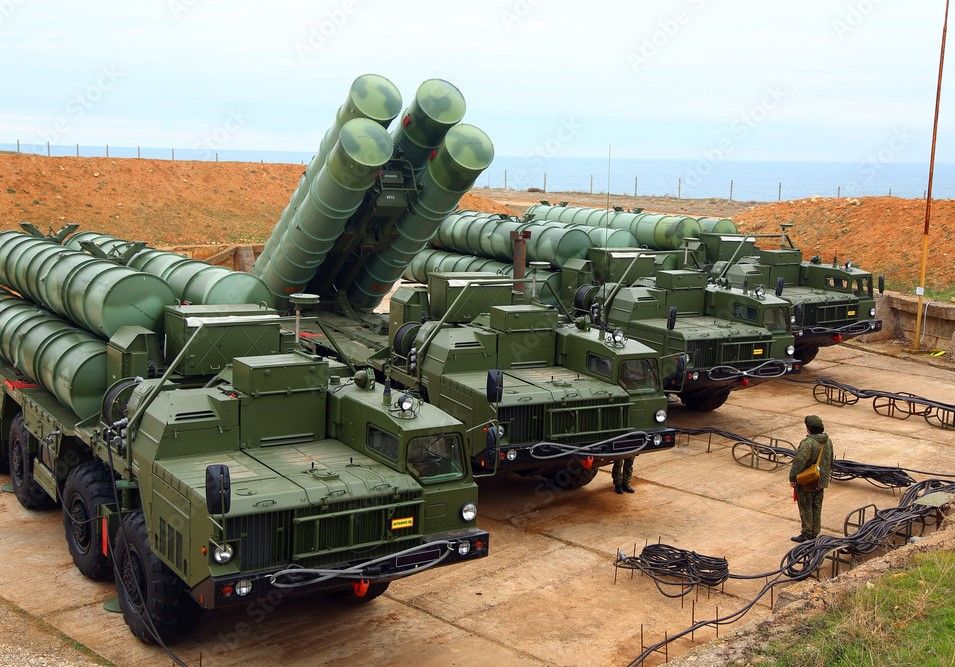
The cornerstone of this modernization is the transition toward domestic manufacturing and control. While the induction of the Russian S-400 Triumf provided an immediate, long-range deterrent, India’s long-term strategy is anchored in homegrown systems.
Recent milestones highlight this shift. In early 2026, the Defence Research and Development Organisation (DRDO) successfully completed user evaluation trials for the Akash-NG (Next Generation) surface-to-air missile. Designed to intercept high-speed, low radar cross-section (RCS) targets at ranges up to 70 kilometers, the Akash-NG represents a significant upgrade over legacy systems, featuring an indigenous active Radio Frequency (RF) seeker and enhanced electronic counter-countermeasures (ECCM).
However, the most critical development is "Project Kusha," India’s ambitious effort to develop an indigenous Extended Range Air Defence System (ERADS). Designed to supplement and eventually replace the S-400, Project Kusha features a three-tiered interceptor architecture capable of engaging targets at 150 km, 250 km, and up to 400 km. As of mid-2026, the system is undergoing rapid development, with maiden tests validating its performance envelope and moving the project closer to its targeted induction between 2028 and 2030.
Network-Centric Integration: The IACCS Backbone
Acquiring disparate missile systems is only effective if they can communicate. The true force multiplier in India's modernization is the Integrated Air Command and Control System (IACCS).
This automated, AI-driven network fuses data from civilian radars, military sensors, AWACS (Airborne Warning and Control System), and satellite feeds. By integrating systems like Project Kusha and the Akash-NG into the IACCS, the Indian Air Force (IAF) is creating a centralized "Sensor-to-Shooter" grid. This network-centric architecture ensures automated threat prioritization, simultaneous tracking of multiple targets, and drastically reduced reaction times, ensuring that if one defensive layer is breached, the next layer is immediately cued.
Strategic Implications: Deterrence and Autonomy
The geopolitical implications of this layered shield are profound.
Sovereign Autonomy: By mastering the source code and hardware of systems like Project Kusha, India eliminates the "Black Box" risk associated with imported systems like the S-400. This guarantees full sovereign control over future software upgrades and electronic warfare libraries, immunizing India from foreign supply chain disruptions or sanctions.
Anti-Access/Area Denial (A2/AD): The deployment of long-range interceptors along strategic borders essentially creates a "No-Fly Zone" for adversaries. This A2/AD capability neutralizes the numerical superiority of adversarial fighter fleets by shifting the burden of risk onto any aircraft attempting to penetrate Indian airspace.
Industrial Ecosystem: The massive capital allocated to these indigenous programs—such as the ₹21,700 crore sanctioned for Project Kusha—is directly stimulating the domestic defense industrial base. With private sector partners like Solar Industries and Bharat Forge heavily involved, India is building a robust MSME supply chain that positions the country as a potential future exporter of advanced air defense technology.
The modernization of India's air defense network represents a definitive shift from reactive procurement to proactive, sovereign capability generation. By fusing advanced indigenous interceptors with a unified command-and-control architecture, India is securing the high ground in an increasingly volatile region.